



Lures & Technique
Propeller Lures: Why They're One of the Deadliest Weapons Against the Giant Peacock Bass
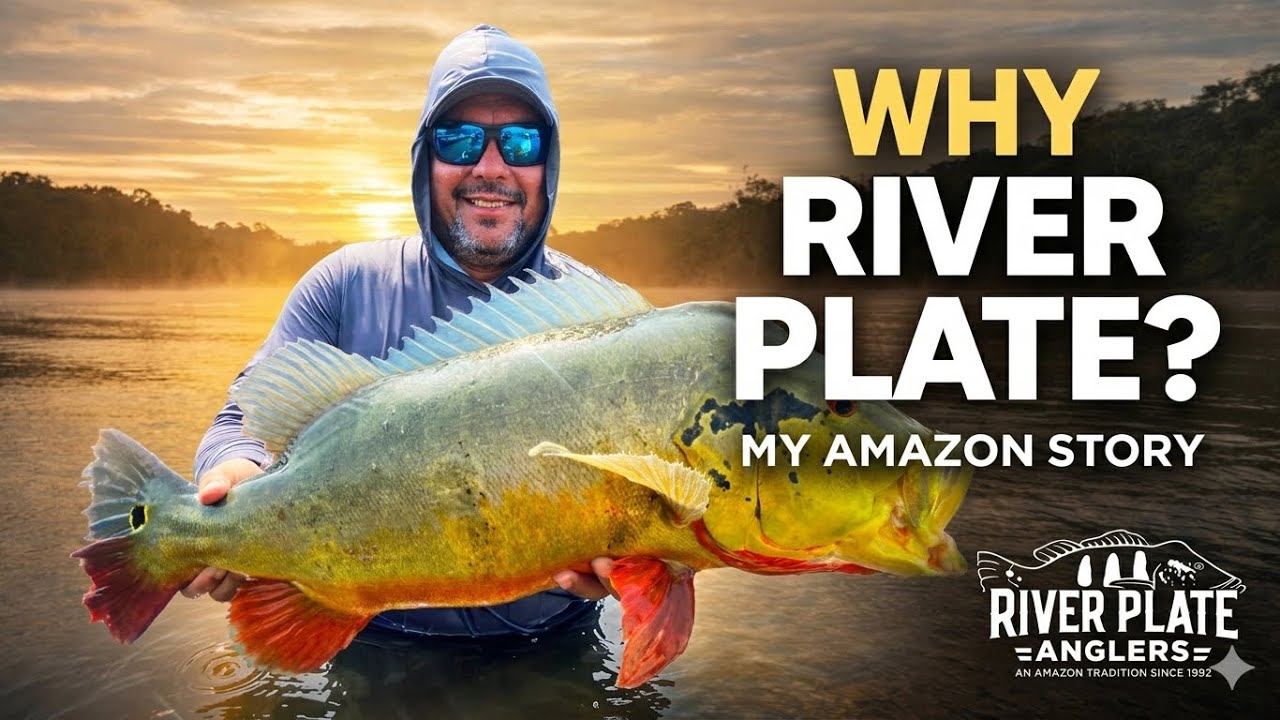
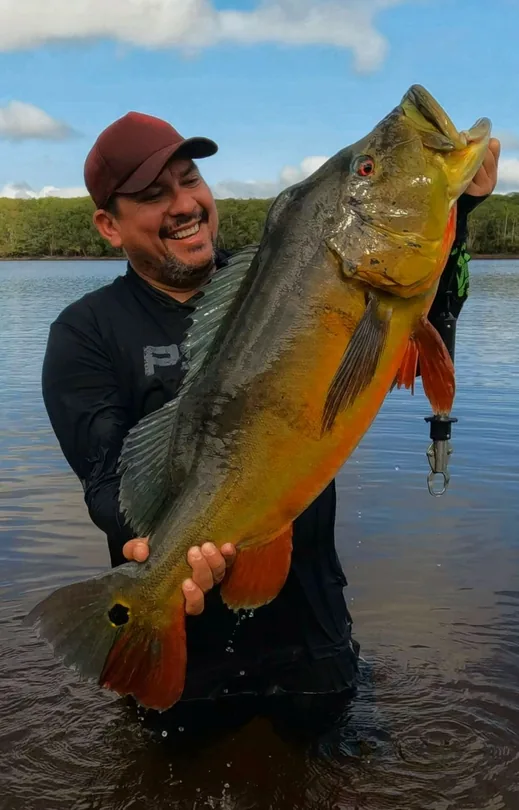
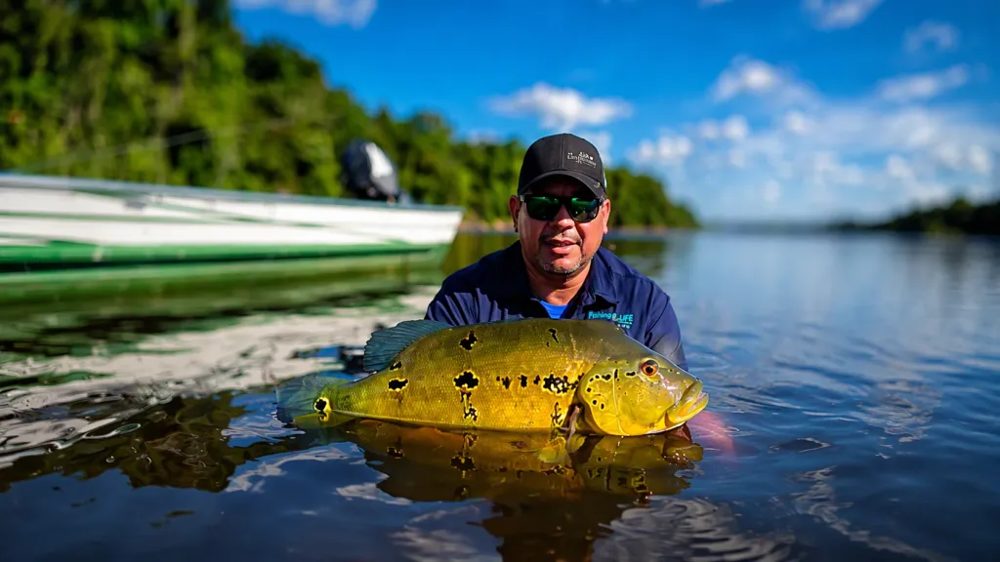
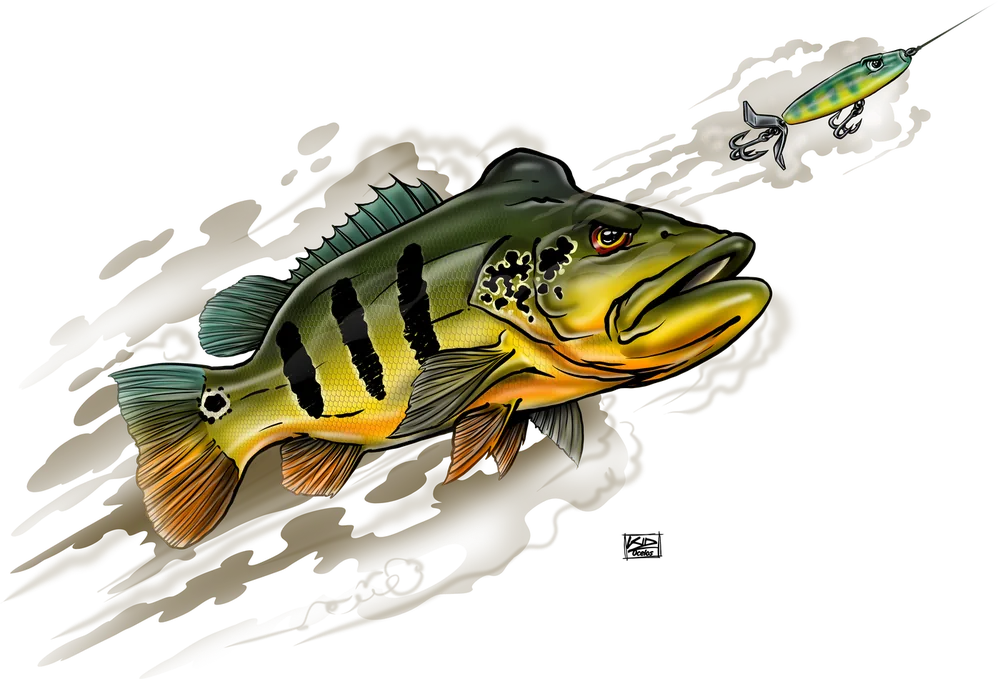
Few scenes in Amazon sport fishing are as addictive as a giant peacock bass (tucunaré-açu) blowing up on a topwater lure. The water explodes, the propeller suddenly stops spinning, and the angler's heart races before even feeling the fish's weight on the rod. If there's one lure capable of triggering that kind of strike with impressive consistency, it's the propeller lure — and understanding why it works so well is the first step to using it to your advantage.
How the propeller lure works
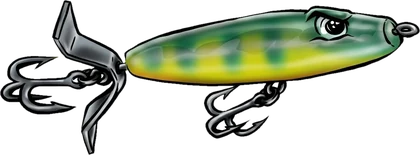
The propeller lure combines three elements that together are nearly irresistible to a predator like the peacock bass: water displacement, noise and visual action. The metal propellers at the ends of the body spin during the retrieve, ripping the surface and creating a disturbance big enough to mimic a wounded or fleeing baitfish. The metallic sound produced by the spin travels through the water and grabs predators' attention from a considerable distance — which makes the propeller lure a great tool for "sweeping" a stretch of water to find out where the active fish are.
That combination of stimuli works especially well in low-visibility water, like much of the rivers and creeks (igarapés) of the Amazon: when the fish can't see well, it's the noise and vibration that do the work of grabbing its attention.
Why the strike is usually so violent
Unlike lures that only appeal to a fish's hunger, the propeller lure triggers other behavioral drivers in peacock bass: territorial defense, protecting their young, and even irritation at the noise and movement invading their space. That's why the strikes tend to be more explosive and less "calculated" — the fish isn't necessarily hunting, it's reacting to a provocation. That's also why the propeller lure is so well-regarded among anglers targeting giant peacock bass: big, territorial fish react with full force when they sense the lure passing near their hideout.
How to retrieve it: the secret is in the rhythm
The retrieve technique is what separates an ordinary cast from a hookup. The idea is to sync rod pulls with the line retrieve, creating fast, aggressive movement — the lure should look like it's desperately fleeing across the surface, not cruising calmly through the water. In general, more intense movement provokes more violent reactions from the fish.
A few practical pointers:
- Vary the rhythm: alternate fast, continuous retrieves with short pauses — the strike often comes right in the pause, when the lure "hesitates" on the surface.
- Keep the lure tracking straight: a well-balanced design keeps the lure from rolling sideways during the retrieve, which would make the movement look less natural.
- Pace yourself through the day: the technique tires out your arm and wrist — it's worth rotating in other lures so the movement doesn't lose quality in the final hours of fishing.
- Protect your hands: because the retrieve is more physical and repetitive, gloves or finger tape help prevent blisters and line cuts over a full day on the water.
When and where to use it
Propeller lures work in almost any scenario — deep or shallow water, calm or choppy — but they tend to stand out especially:
- Along long stretches of bank or channel, where covering water quickly helps locate active fish before working the area more thoroughly with slower lures;
- During the first and last hours of the day, when peacock bass tend to sit closer to the surface and feed more aggressively;
- In turbid water, where the propeller's sound and visual disturbance make up for poor visibility — a common condition across much of the Amazon basin.
Choosing the right model
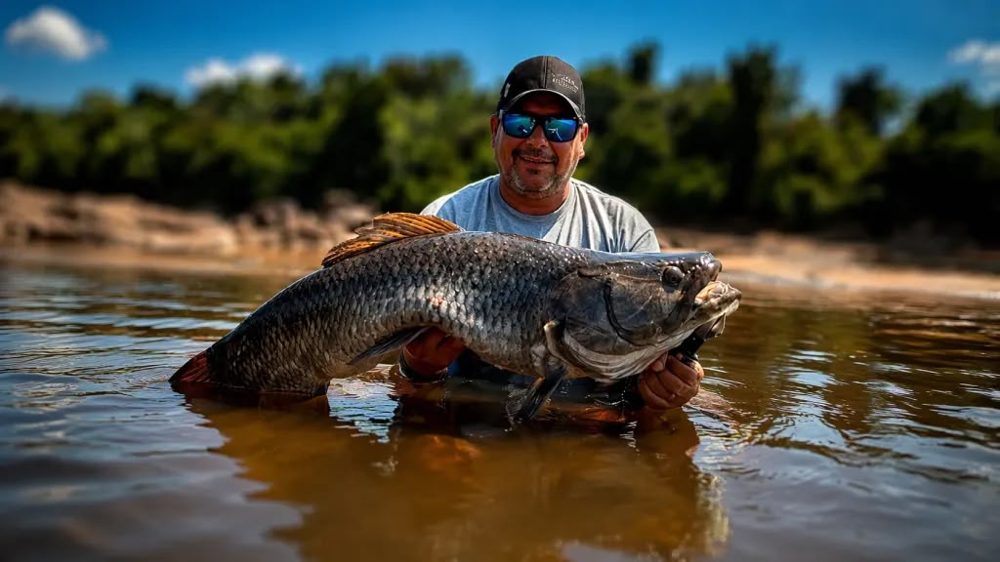
On the market, some of the best-known names among peacock bass and wolf fish (trairão) anglers include the Strike Roller, Devassa, Devassa Slim, Rip Roller, TucunaRex, Rocket, Whopper Plopper and Tormenta, in sizes ranging from about 9 to 16.5 cm (3.5"–6.5") and weights between 17 and 41.5 g (0.6–1.5 oz). When choosing a model, it's worth paying attention to three things:
- Reinforced trebles (5X or 6X), since a giant peacock bass strike is heavy enough to bend out a lower-quality hook;
- Durable materials, such as treated wood, high-strength ABS or stainless steel in the propellers and hardware;
- A size matched to the water and target fish: bigger lures tend to select bigger fish, but also demand more effort on the retrieve.
Bottom line
The propeller lure isn't just another option in the tackle box — it's one of the most effective ways to trigger a giant peacock bass's most aggressive instincts and turn a day of fishing into a string of unforgettable topwater blow-ups. Mastering the right retrieve rhythm is what separates watching the lure calmly cross the water from feeling that explosion every Amazon angler is chasing.
Where to buy in Manaus: Sucuri Pesca Esportiva — Vieiralves (Rua Rio Branco, 95, ground floor of Hotel Vieiralves Express) and Manauara Shopping (Floor G4). WhatsApp +55 (92) 98430-3676 · sucuripesca.com.br